Types of robots
From sources across the web
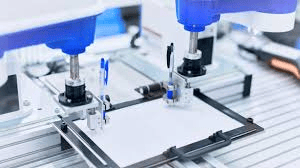
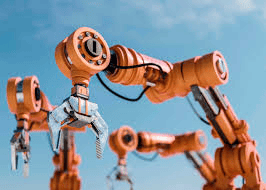
When people hear “robots,” they usually picture sleek humanoids or sci-fi machines. But the real do-it-alls of robotics are industrial robots — the always-on mainstays of factories and warehouses. These machines have been around for decades, and they’re only getting smarter, faster, and more adaptable.
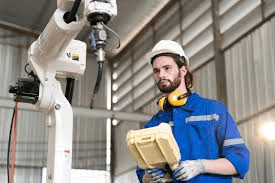
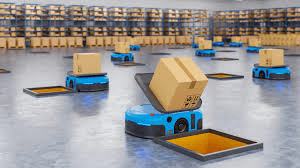
What they are: Industrial robots are automated machines meant for precision-heavy, high-repetition jobs like welding, painting, assembly, and material handling. They’re designed to operate in manufacturing environments, often working with CNC machines, conveyor belts, and automated storage systems.
Here are some major examples:
Industrial Robot Type | Structure & Movement | Key Features |
Articulated | Multi-jointed, arm-like, 2–10 rotary joints | Highly versatile, works in confined spaces |
SCARA | Two parallel arms, right-angle joint | Fast, reliable, ideal for horizontal tasks |
Cartesian | 3D grid-based, linear movements | Precise control, high accuracy |
When people hear “robots,” they usually picture sleek humanoids or sci-fi machines. But the real do-it-alls of robotics are industrial robots — the always-on mainstays of factories and warehouses. These machines have been around for decades, and they’re only getting smarter, faster, and more adaptable.
What they are: Industrial robots are automated machines meant for precision-heavy, high-repetition jobs like welding, painting, assembly, and material handling. They’re designed to operate in manufacturing environments, often working with CNC machines, conveyor belts, and automated storage systems.
Here are some major examples:
Industrial Robot Type | Structure & Movement | Key Features | ||||||||||||||||||||||||
Articulated | Multi-jointed, arm-like, 2–10 rotary joints | Highly versatile, works in confined spaces | ||||||||||||||||||||||||
SCARA | Two parallel arms, right-angle joint | Fast, reliable, ideal for horizontal tasks | ||||||||||||||||||||||||
Cartesian | 3D grid-based, linear movements | Precise control, high accuracyWhen people hear “robots,” they usually picture sleek humanoids or sci-fi machines. But the real do-it-alls of robotics are industrial robots — the always-on mainstays of factories and warehouses. These machines have been around for decades, and they’re only getting smarter, faster, and more adaptable. What they are: Industrial robots are automated machines meant for precision-heavy, high-repetition jobs like welding, painting, assembly, and material handling. They’re designed to operate in manufacturing environments, often working with CNC machines, conveyor belts, and automated storage systems. Here are some major examples:
|